When Should You Repair a Tile Roof? Signs You Shouldn't Ignore
Wondering when to repair a tile roof? Learn the warning signs, common tile roof problems, repair solutions, and when roof replacement may be needed.

When Should You Repair a Tile Roof? Signs,
Problems, and Repair Solutions
Tile roofing is known for its durability, long lifespan, and attractive appearance. Whether your home has clay, concrete, or Spanish-style tiles, regular inspections and timely repairs are important for protecting the entire roofing system.


One of the biggest mistakes homeowners make is assuming that a tile roof does not need attention simply because tile is a long-lasting material. While the tiles themselves can last for decades, components underneath them—such as underlayment, flashing, and fasteners—can wear out over time.
Knowing when to repair a tile roof can help prevent small problems from becoming expensive water damage or structural repairs.
What Is Tile Roof Repair?
Tile roof repair involves identifying and fixing damaged areas of a roofing system without replacing the entire roof.
Depending on the problem, professional tile roofing repair may include:
-
Replacing cracked or broken tiles
-
Securing loose or displaced tiles
-
Repairing damaged flashing
-
Fixing roof leaks
-
Replacing worn underlayment in affected areas
-
Repairing damage around chimneys or skylights
-
Addressing drainage problems
-
Inspecting roof decking for moisture damage
The right repair depends on the condition of the roof and the source of the problem.
7 Signs You Should Repair Your Tile Roof
1. Cracked or Broken Roof Tiles
One of the most obvious signs that your roof needs attention is visible damage to the tiles.
Tiles can crack or break because of:
-
Falling branches
-
Severe weather
-
Impact damage
-
Foot traffic
-
Age-related wear
A single damaged tile may not seem serious, but it can allow water to reach the underlayment beneath the roofing material.
If you notice cracked or broken tiles, scheduling professional tile roofing repair can help prevent further damage.
2. Missing or Loose Tiles
Tiles can sometimes become loose or displaced due to high winds, aging fasteners, or improper installation.
Missing tiles leave parts of the roofing system exposed to rain and moisture. Loose tiles may also become a safety concern if they continue to shift or fall.
A roofing professional can inspect the affected area, secure loose tiles, and replace missing materials when necessary.
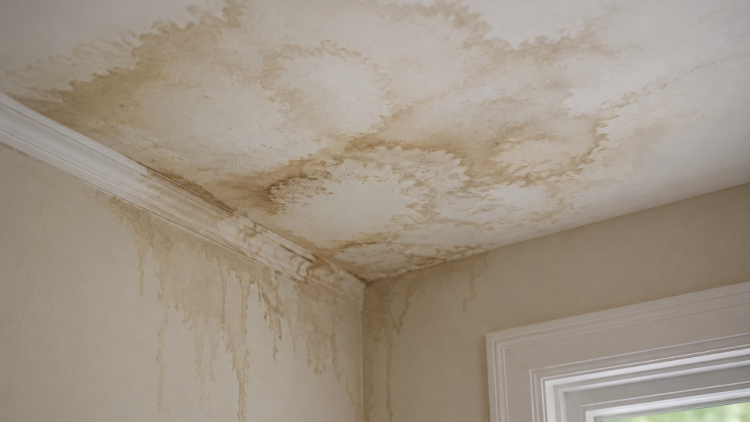
3. Water Stains on Ceilings or Walls
Water stains inside your home should never be ignored.
A stain on the ceiling or wall may indicate that water has entered through the roofing system. However, the visible stain may not always be directly below the actual roof leak.
Water can travel along roof decking, framing, or other structural components before becoming visible inside the home.
A professional inspection can help identify the source of the problem and determine whether tile roof repair is needed.
4. Damaged Flashing
Flashing is installed around areas where the roof meets another surface or where an object penetrates the roof.
Common areas include:
-
Chimneys
-
Skylights
-
Roof vents
-
Plumbing vents
-
Wall intersections
Damaged, corroded, or improperly installed flashing can allow water to enter the roofing system.
In some cases, the tiles themselves may be in excellent condition while the flashing is the actual cause of a roof leak.
5. Signs of Underlayment Damage
The tiles are only one part of a complete roofing system.
Underlayment beneath the tiles provides an additional layer of protection against moisture. Over time, underlayment can deteriorate due to age, heat, and weather exposure.
Signs of possible underlayment problems include:
-
Recurring roof leaks
-
Moisture in the attic
-
Water stains
-
Widespread roofing issues
-
Leaks appearing in multiple areas
If the underlayment is failing in several areas, a larger repair project or roof replacement may be necessary.
6. Moss, Debris, or Blocked Roof Valleys
Leaves, branches, and other debris can collect in roof valleys and around drainage areas.
When water cannot flow properly, it may collect beneath tiles or around flashing.
Regular maintenance should include checking:
-
Roof valleys
-
Gutters
-
Downspouts
-
Areas around chimneys
-
Skylights
-
Roof penetrations
Keeping these areas clear can help reduce moisture-related roofing problems.
7. You Have Experienced a Recent Storm
Heavy rain, strong winds, falling debris, and severe weather can damage roofing materials.
After a significant storm, look for visible signs such as:
-
Cracked tiles
-
Missing tiles
-
Loose materials
-
Damaged flashing
-
Water stains indoors
Even if there is no obvious damage from the ground, a professional roof inspection may identify problems before they lead to a major leak.
Common Tile Roof Problems That Require Repair
Different types of tile roofs can experience different issues. However, some roofing problems are common across clay, concrete, and Spanish tile roofing systems.
Cracked Tiles
Individual tiles may crack because of impact, weather, or pressure. Replacing the damaged tile can help protect the layers beneath it.
Broken Tiles
A broken tile should generally be addressed as soon as possible because it can expose the underlying roofing system to moisture.
Displaced Tiles
Wind, improper installation, or deteriorating fasteners can cause tiles to shift out of position.
Roof Leaks
Roof leaks can result from damaged tiles, worn underlayment, failed flashing, or other issues.
Professional inspection is important because repairing the visible area without identifying the actual source may only provide a temporary solution.
Deteriorated Underlayment
In older tile roofs, the underlayment may wear out before the tiles themselves.
This is why an older tile roof may experience leaks even when many of the visible tiles still appear to be in good condition.
When Is Tile Roof Repair Better Than Replacement?
Not every damaged tile roof requires a complete replacement.
Repair may be the better option when:
-
Damage is limited to a small area.
-
Only a few tiles are cracked or broken.
-
Flashing needs repair or replacement.
-
The roof structure is still in good condition.
-
The underlayment is functioning properly.
-
The roof has not reached the end of its expected service life.
Targeted repairs can extend the useful life of the roofing system and address problems before they become more extensive.
When Should You Consider Tile Roof Replacement?
In some situations, repeated repairs may no longer be the most practical option.
You may want to consider replacement when:
-
Roof leaks occur repeatedly in different areas.
-
A large number of tiles are damaged.
-
The underlayment is extensively deteriorated.
-
The roof deck has significant moisture or structural damage.
-
Repair costs continue to increase.
-
The roofing system is nearing the end of its service life.
A professional inspection can help determine whether a repair or replacement provides the better long-term value.
How Often Should a Tile Roof Be Inspected?
A regular roof inspection can help identify small issues before they become serious.
Homeowners should consider having their roof inspected periodically and after major weather events.
An inspection may include checking:
-
Roofing tiles
-
Underlayment
-
Flashing
-
Roof valleys
-
Gutters and drainage
-
Roof penetrations
-
Signs of water intrusion
Regular inspections are especially important for older roofs.
Why Professional Tile Roof Repair Matters
Tile roofing systems require careful handling. Walking incorrectly on roofing tiles can cause additional cracks or damage.
Professional roofing contractors understand how to inspect and repair the system while minimizing unnecessary damage.
A professional repair may involve:
-
Identifying the source of the problem.
-
Removing damaged tiles carefully.
-
Inspecting the underlayment and surrounding area.
-
Repairing any moisture-related damage.
-
Replacing or securing roofing materials.
-
Checking flashing and drainage.
-
Inspecting the repaired area for proper performance.
Choosing a professional for tile roofing repair can help ensure that the repair addresses the underlying issue rather than only the visible damage.
How to Maintain a Tile Roof and Prevent Future Repairs
Regular maintenance can help extend the life of your tile roof.
Keep Gutters Clean
Blocked gutters can cause water to back up and create moisture problems around the roofing system.
Remove Debris
Leaves and branches should be removed from roof valleys and drainage areas.
Address Damaged Tiles Quickly
Replacing damaged tiles early can help protect the underlayment from unnecessary moisture exposure.
Check Flashing
Flashing around chimneys, skylights, and roof penetrations should be inspected periodically.
Avoid Walking on the Roof
Walking directly on tile roofing can cause cracks or breakage. If an inspection is necessary, it is best to contact an experienced roofing professional.
FAQs About Tile Roof Repair
Can you repair individual roof tiles?
Yes. If the damage is limited, individual cracked or broken tiles can often be replaced without replacing the entire roof.
How do I know if my tile roof is leaking?
Common signs include water stains on ceilings, moisture in the attic, visible dripping, or damp insulation. A professional inspection can identify the source of the leak.
Do cracked roof tiles always need to be replaced?
A cracked tile should be professionally evaluated. Even a small crack can potentially allow moisture to reach the layers beneath the tile.
How long can a tile roof last?
The lifespan depends on the tile material, installation quality, underlayment, climate, and maintenance. Tile roofing systems can provide long-term performance when properly installed and maintained.
Can you repair a tile roof without replacing all the tiles?
Yes. Localized damage can often be repaired by replacing individual tiles and addressing damaged flashing or underlayment in the affected area.
Why Choose NJ Roofing Services for Tile Roof Repair?
NJ Roofing Services provides professional roofing solutions for homeowners throughout New Jersey. Our team can inspect damaged tile roofs, identify potential problems, and recommend the most appropriate repair solution.
Whether you have cracked tiles, a roof leak, damaged flashing, or concerns about an aging roofing system, professional evaluation can help you understand the condition of your roof.
Our services include:
-
Tile roof inspections
-
Tile roofing repair
-
Tile replacement
-
Roof leak repair
-
Flashing repair
-
Roof maintenance
-
Residential roof replacement
Final Thoughts
Repairing a tile roof at the right time can prevent small problems from turning into expensive damage.
Cracked tiles, missing materials, roof leaks, damaged flashing, and signs of underlayment deterioration should all be inspected as soon as possible.
If the problem is limited, professional tile roofing repair may restore the affected area and extend the life of your roof. However, if the roof has widespread damage or recurring leaks, replacement may provide a better long-term solution.
Regular inspections, proper maintenance, and timely repairs are the best ways to protect your investment and keep your tile roofing system performing for years to come.
Files
What's Your Reaction?